Moving Out of SE20? Penge High Street Removals Guide
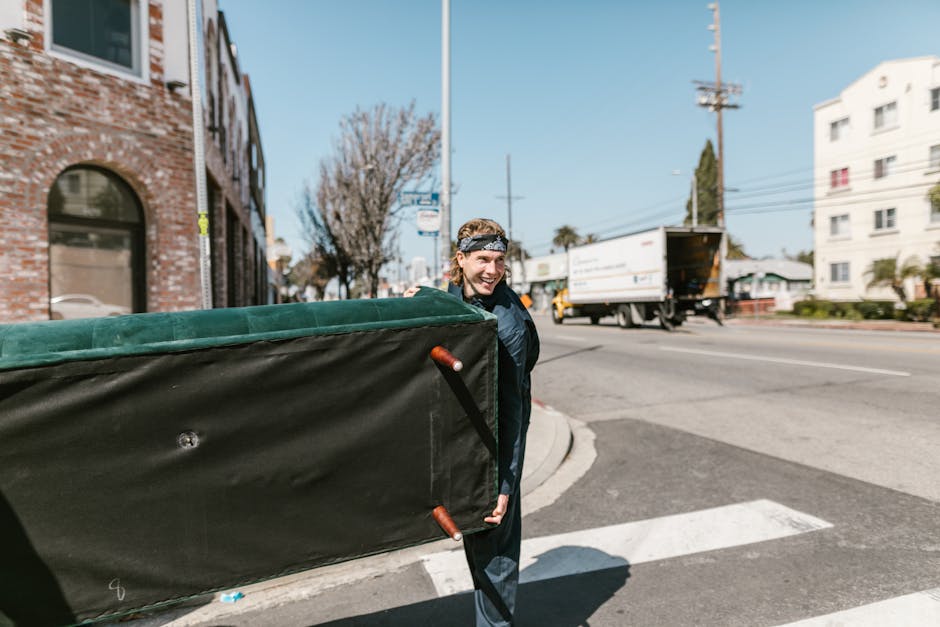
Moving home in SE20 can feel deceptively simple until the boxes start piling up, the lift is busy, and the street outside is tighter than you remembered. If you are moving out of SE20 and want a calmer, more organised way to handle it, this Moving Out of SE20? Penge High Street Removals Guide is for you. It covers the practical bits that matter on moving day: planning, timing, access, parking, packing, and choosing the right kind of removals support for Penge High Street and the surrounding streets.
Truth be told, the difference between a smooth move and a stressful one is often not the van itself. It is the prep around it. A little local know-how goes a long way, especially in busy parts of south-east London where loading space can disappear fast and a wrong turn can cost you ten minutes you do not really have. So let's break it down properly.
Why Moving Out of SE20? Penge High Street Removals Guide Matters
Moving from SE20 is not just a transport job. It is a timing job, a logistics job, and sometimes a diplomacy job too. Penge High Street and the streets feeding into it can be busy, narrow in places, and awkward if your building has limited frontage. That means a move that looks easy on paper can quickly become messy if you do not plan for access, parking, and carrying distance.
This guide matters because local removals are rarely one-size-fits-all. A ground-floor flat above a shop, a top-floor conversion, a terraced house with a tight driveway, and a small office on or near the High Street all need different handling. The right approach saves time, reduces risk of damage, and keeps neighbours, landlords, and building managers onside. And yes, those things all matter when you are trying to leave without drama.
If you are comparing options, it can help to think beyond "Can they move my stuff?" and ask "Can they move it efficiently in this area?" That is where a local mover, or a service such as removals, becomes more than a van with muscle. It becomes a workable plan for the street you actually live on.
Practical takeaway: In SE20, good moving day planning is about access first, packing second, and speed third. Get the order right and everything else tends to behave better.
How Moving Out of SE20? Penge High Street Removals Guide Works
The basic process is straightforward: assess what needs moving, decide on the service level, prepare your belongings, and coordinate the route, timing, and loading. The part people often underestimate is the local detail. Penge High Street can be lively, with traffic flow, pedestrian movement, and tight stopping windows affecting how a removals vehicle can load.
In practice, the guide works like a decision framework. You start by identifying the size of the move. Are you leaving a studio, a family home, a shared flat, or a small business unit? Then you decide what help you want: full house removals, a man and van setup, packing support, or a larger vehicle for a full-day job. If you need a broader overview of service types, the site's removal services page is a useful starting point.
From there, you match the job to the access reality. That means checking whether there is enough room for a van to stop safely, whether stairs or long walks from the entrance will slow things down, and whether fragile items need extra care. A careful mover will usually ask about these things early. If they do not, you should.
There is also the human side. One resident may want the whole place packed before 8 a.m. Another may only need help with the sofa, bed, and a few heavy boxes. Different needs, different approach. That is normal.
Key Benefits and Practical Advantages
Using a removals service for a SE20 move is not only about avoiding heavy lifting, though your back may thank you. It is also about reducing friction in the move itself. Here are the main advantages people usually notice.
- Better time control: A local crew that understands Penge High Street can plan loading and unloading more realistically.
- Lower damage risk: Proper blankets, straps, trolleys, and packing methods protect furniture and door frames.
- Less stress on the day: You are not improvising while someone is asking where the kettle is. Been there, honestly.
- Improved access handling: Narrow entrances, top-floor flats, and awkward parking are easier when the mover has seen similar jobs before.
- Flexible support: You can scale up or down, from a simple man and van arrangement to a full house move.
There is also a quieter benefit: confidence. Once the plan is clear, the move stops feeling like a vague looming event and starts feeling like a sequence of jobs you can actually finish. Small thing, big difference.
| Benefit | What it means in real life | Why it matters in SE20 |
|---|---|---|
| Local route awareness | Fewer delays finding workable loading points | Penge High Street can be busy at the wrong time of day |
| Right-sized vehicle | No wasted trips or overpacked vans | Some properties need compact access-friendly transport |
| Packing support | Less breakage, faster loading | Stairs and tight hallways can punish badly packed boxes |
| Professional handling | Heavier items are moved more safely | Protects both people and property in busy buildings |
Who This Is For and When It Makes Sense
This guide is useful if you are leaving SE20 under almost any normal residential or light commercial scenario. But a few groups especially benefit from a more structured removals plan.
- Flat movers: If you live above a shop, in a conversion, or on an upper floor with no lift, local planning matters a lot.
- Families: When you have children, pets, and too many small items to count, the move gets busy very quickly.
- First-time movers: You may not know how much wrapping, lifting, and timing a move actually needs.
- Older residents or downsizers: A calmer, assisted move can make the whole experience more manageable.
- Businesses and home offices: If you are shifting desks, IT gear, files, or stock, you need orderly handling and a sensible schedule.
It also makes sense when the move is only partly local. Even if you are not going far, leaving SE20 often involves the same headaches: parking, access, breakables, and the endless question of where the tape dispenser has vanished to. That little monster disappears every time.
If you are still weighing up whether to book a full team or a lighter setup, looking at man with van removal options can help you judge the scale of support you actually need.
Step-by-Step Guidance
Here is a practical way to handle a move out of SE20 without making the day harder than it needs to be.
- List everything that is moving. Start with the obvious items, then add cupboards, loft spaces, and things in the shed or hallway. People always forget the odd chair, the printer, or that one box under the bed.
- Sort what stays and what goes. Moving is expensive in effort, even when it is not expensive in money. Let go of what you do not need.
- Book the right vehicle and help level. A small load may suit a man with a van arrangement, while larger or more complex moves may need a fuller team.
- Confirm access details. Share floor level, parking constraints, entry codes, and whether there are narrow stairs or fragile flooring.
- Pack by room and label clearly. Label each box with the room and a short note like "kitchen: mugs" or "bedroom: winter clothes". It sounds obvious, then moving day arrives.
- Protect fragile and bulky items. Wrap glass, secure drawers, and remove loose shelves or fittings where appropriate.
- Prepare an essentials bag. Keep documents, chargers, medication, toiletries, snacks, and a change of clothes separate.
- Do a final walkthrough. Check cupboards, loft access, window sills, behind doors, and the back of the washing machine. That last one always seems to hold something small and irritating.
One useful habit: place a handwritten note on the first box you want opened in the new place. Kettle, mugs, tea bags, scissors. Simple. Sensible. Very British, really.
Expert Tips for Better Results
After enough moves, a pattern shows up. The people who have the smoothest day are not necessarily the most organised in a perfect, Pinterest-style way. They are the ones who make a few smart decisions early.
Tip 1: Work backwards from arrival time. If keys are due at a certain hour, build the rest of the day around that. Moving teams can usually adapt, but the property chain often cannot.
Tip 2: Reduce handling wherever possible. Every extra time an item is picked up, moved, and set down adds risk. Consolidate boxes well and keep pathways clear.
Tip 3: Protect the building as much as the furniture. Hallway corners, banisters, and door frames are easy to mark. Good movers think about both.
Tip 4: Use the right packing materials. Cheap boxes may buckle, especially in damp weather or if overfilled. Better to use a few strong boxes than a mountain of weak ones.
Tip 5: Plan for the unexpected. A missing key, a delayed completion, or a temporary parking issue can happen. Have a small buffer in the schedule. Not too much. Just enough not to panic.
And if you are moving household and office items together, keep them separate on paper and in the van. Mix them up and the unpacking turns into a scavenger hunt nobody asked for.
Common Mistakes to Avoid
Most moving problems are avoidable. That sounds obvious, but in real life people still repeat the same mistakes because moving day makes everyone a little frantic.
- Booking too late: This often leaves you with fewer vehicle options and less flexibility.
- Underestimating how long packing takes: Packing a home properly is rarely a single evening job.
- Ignoring parking and access: If the van cannot stop close enough, everything takes longer and costs more in effort.
- Overfilling boxes: Heavy boxes are hard to lift and more likely to split.
- Leaving loose items for the last minute: Lamps, cables, toiletries, and tools often become a chaotic final pile.
- Not checking what the removals team provides: Some services include loading help and basic wrapping; others do not. Ask early.
A common one in busy London moves is forgetting how much bottlenecking happens at the front door. It sounds trivial until two people are trying to pass a wardrobe through a narrow landing while someone's still searching for the keys. Not ideal.
Tools, Resources and Recommendations
You do not need a mountain of specialist equipment, but a few simple tools make life much easier.
- Strong boxes: Prefer uniform sizes for stacking.
- Packing tape and dispenser: Faster than fiddling with torn strips.
- Marker pens: Label from the side as well as the top.
- Bubble wrap or paper wrap: Useful for glassware, mirrors, and awkward shapes.
- Furniture blankets: Help reduce knocks and scuffs.
- Trolley or dolly: Helpful for heavier boxes and appliance parts.
- Zip bags: Ideal for screws, brackets, and cables from dismantled furniture.
For readers comparing types of mover, the site's removal company and removal companies pages can help you understand the difference between a small local setup and a broader professional service. If you only need a lighter option, the page for man and van removals is worth a look too.
When you are arranging the move, practical support can be as valuable as extra hands. A service that also offers packing and unpacking help can reduce the pressure on the day, especially if you are moving with children or on a tight schedule. See also packing and unpacking services.
Law, Compliance, Standards, or Best Practice
For most household moves, you are not dealing with heavy regulation in the way a builder or haulage company might. Still, there are sensible standards and best practices worth taking seriously.
Insurance: Always check what cover is included for goods in transit and handling. Do not assume your items are covered in every scenario. Ask clear questions and get straightforward answers. If a mover is handling valuable or fragile items, it is reasonable to ask how they approach protection and claims.
Health and safety: Safe lifting, clear walkways, and secure loading are not optional extras. They protect both the movers and your home. A professional team should treat trip hazards, sharp corners, and awkward loads as normal risks to manage, not annoyances to ignore. The site's health and safety policy and insurance and safety information are useful reference points.
Building rules: Some flats, estates, or managed buildings may have moving windows, lift booking rules, or requirements about protecting floors. It is best to check these before moving day. That is not red tape for the sake of it; it is the sort of thing that stops awkward conversations at the door.
Fair trading and transparency: A reliable mover should be clear about pricing, included services, and any potential extra charges for stairs, waiting time, or difficult access. If something sounds vague, ask again. Clear is kind, really.
For any move involving business property, the same general principles apply, but the risk to equipment and downtime becomes more important. In those cases, planning and written expectations matter even more.
Options, Methods, or Comparison Table
Choosing the right moving method is mostly about scale, access, and how much help you want on the day. A quick comparison can make that easier.
| Option | Best for | Strengths | Watch-outs |
|---|---|---|---|
| Man and van | Small flats, light loads, local moves | Flexible, usually straightforward, well suited to short-distance jobs | May not suit large furniture sets or complex access |
| Full removals team | Family homes, bigger loads, multi-room moves | More hands, faster loading, better for heavy items | Higher cost than a simple transport-only job |
| Packing plus removals | Busy households, time-poor movers, fragile possessions | Less stress, better organisation, fewer packing errors | Needs good coordination and a clear inventory mindset |
| Transport-only support | Already packed, ready-to-go moves | Simple and efficient if you have done the prep | Works best when access and packing are already sorted |
If you are unsure which option fits, a sensible rule is to choose the smallest service that can still handle your access, furniture, and timing comfortably. Too little help causes strain. Too much help can be unnecessary. The sweet spot is usually somewhere in the middle.
Case Study or Real-World Example
Imagine a couple leaving a two-bedroom flat just off Penge High Street on a Friday morning. They have a sofa, bed frames, about thirty boxes, two bikes, and a mirror they have been worried about since the moment it was packed. The road outside is active early, and the building only allows short stopping time near the front.
Instead of guessing on the day, they book a service that is used to local access issues and share the details in advance: floor level, parking constraints, large items, and a rough box count. They also label boxes by room and keep essentials in a separate bag. The movers arrive, park efficiently, and load in an order that keeps the most fragile items secure.
Nothing dramatic happens. Which, in removals, is usually the goal.
What made the difference was not luck. It was preparation. The couple did not overcomplicate the job, but they also did not leave it to chance. That combination often works best in SE20, where the street environment can change the feel of a move pretty quickly.
Practical Checklist
Use this as a final run-through before moving day.
- Confirm moving date, time, and access arrangements.
- Check parking or loading space near your property.
- Decide whether you need full removals, a man and van, or packing support.
- Pack and label boxes by room.
- Separate valuables, documents, and essentials.
- Wrap fragile items carefully and secure loose parts.
- Dismantle furniture only if needed and keep fittings together.
- Protect floors, walls, and shared areas where appropriate.
- Tell neighbours or building management if your property requires it.
- Do a final room-by-room check before the van leaves.
Quick note: if you can make the kitchen and bedroom boxes easy to find first, your first night in the new place will feel far less chaotic. That matters more than people expect.
Conclusion
Moving out of SE20 does not have to become a drawn-out headache. With the right planning, the right service level, and a sensible approach to access and packing, a Penge High Street move can be handled cleanly and without unnecessary stress. The real secret is not rushing. It is matching the job to the street, the property, and the amount of help you genuinely need.
If you are at the point of comparing options, take the time to think through the practical details now. A few careful decisions today can save you a lot of hassle on moving day, and that is rarely a bad trade. You deserve a move that feels orderly, not overwhelming.
Get a free quote today and see how much you can save.
And once the last box is down and the kettle is on, you will remember why the fuss was worth it. Fresh start, same you, just with fewer cardboard towers.
Frequently Asked Questions
What is the best removals option for moving out of SE20?
The best option depends on how much you are moving and how easy your property is to access. For smaller flats or lighter loads, a man and van setup may be enough. For larger homes or more awkward access, a fuller removals service is usually the safer choice.
How far in advance should I book a removals service in Penge High Street?
It is sensible to book as early as you can, especially if you want a specific day or time. Local moves can still be busy around weekends and month-end periods, so leaving it too late can reduce your options.
Do I need packing services, or can I pack myself?
You can absolutely pack yourself if you have time, strong boxes, and a bit of patience. Packing services are helpful if you are short on time, have fragile items, or simply want less stress on the day.
How do I know whether I need a man and van or a full removals team?
A good rule is to think about volume, weight, and access. If you have a few rooms of furniture and many boxes, a full team may be better. If it is a smaller load and a straightforward local move, a man and van can be a practical fit.
What should I tell the removals company before moving day?
Share your move date, property type, floor level, parking details, bulky items, and any access issues such as narrow stairs or long carrying distances. The more accurate the information, the smoother the job tends to be.
Are my belongings insured during the move?
That depends on the service and the terms offered, so you should check carefully before booking. Ask what protection is included, what is excluded, and how claims are handled if something goes wrong.
Can a removals team handle fragile or awkward items?
Usually yes, provided you mention them in advance. Mirrors, glass tables, artwork, and large appliances all need the right wrapping and lifting approach. It is better to flag these early than to spring them on the crew at the door.
What is the biggest challenge when moving from Penge High Street?
For many people, it is access. Busy street conditions, parking pressure, and narrow entry points can all slow things down if they are not planned for properly. Once access is sorted, the rest usually feels much more manageable.
Should I label all my boxes?
Yes, definitely. Room labels and short contents notes make loading faster and unpacking less chaotic. Even a basic label system is better than guessing which box contains the kettle.
How can I reduce stress on moving day?
Keep your essentials separate, confirm access details early, and do not leave everything until the last minute. Small preparations make a huge difference. Honestly, a calm first hour often sets the tone for the whole day.
Do I need to empty furniture before it is moved?
In most cases, yes. Drawers, shelves, and storage furniture should be emptied so the item is lighter, safer, and less likely to shift during transport. Loose contents can damage the furniture or other items around it.
Is it worth using a local removals company for a short move within SE20?
Usually, yes. Even short moves can be surprisingly demanding once you factor in parking, stairs, heavy lifting, and coordination. A local team that understands the area can save time and reduce avoidable stress.