Bromley Council Parking Suspensions & Fines for SE20 Moves
Posted on 06/07/2026
Bromley Council Parking Suspensions & Fines for SE20 Moves: A Practical Guide for Stress-Free Moving Days
Moving in SE20 is rarely a simple lift-and-load job. Tight residential streets, school-run traffic, shared driveways, and the odd van blocking half a lane can turn a good move into a stressful one very quickly. That is exactly why Bromley Council Parking Suspensions & Fines for SE20 Moves matter so much. If you are moving house, flat, or office in Penge and the surrounding SE20 area, parking is not a minor detail. It can affect timing, safety, cost, and even whether your move gets finished on schedule.
In this guide, we break down how suspensions and fines work in plain English, what usually goes wrong, and how to plan a move that feels organised rather than chaotic. Truth be told, a little parking planning saves a lot of legwork later.
Why Bromley Council Parking Suspensions & Fines for SE20 Moves Matters
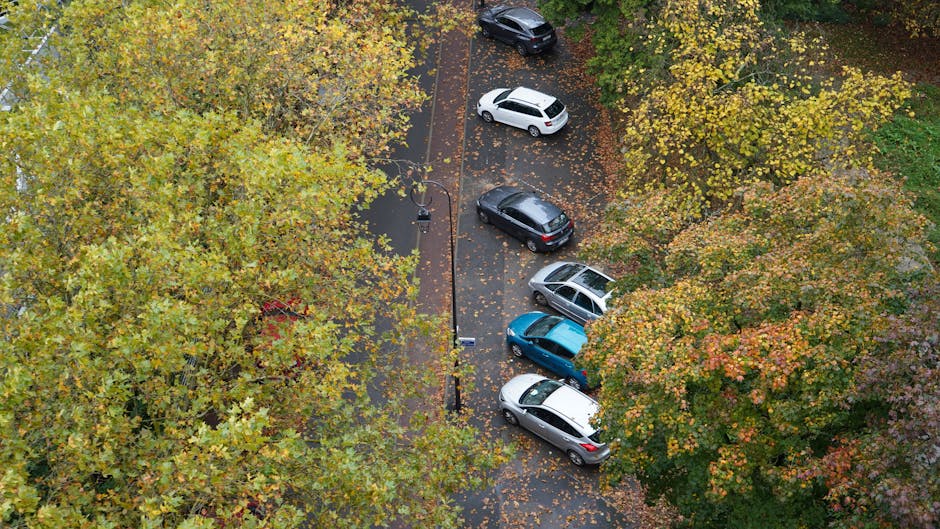
SE20 moves are often won or lost on kerb space. If the van cannot stop close to the property, everything slows down: carrying becomes longer, heavier items become riskier, and the whole process starts to eat into your time window. That is before you even think about yellow lines, controlled bays, permit zones, suspended bays, and the possibility of receiving a penalty for parking somewhere you assumed would be fine for "just ten minutes".
For local moves, parking is not just about convenience. It is about access. A suspended bay or an unmanaged loading stop can force your removal vehicle to park further away, which affects not only the speed of the move but also the safety of the team. You may have a piano, a sofa, or a stack of boxes to move, and suddenly the shortest path to the front door matters a great deal. If you want a sense of how moving planning and logistics all tie together, the broader advice in this guide to a smooth house moving process fits neatly here.
There is also the money side. Parking mistakes can be a hidden cost that catches people out after they have already paid for packing materials, van hire, and perhaps a storage unit. Nobody enjoys that surprise. And, to be fair, most fines feel especially annoying because they are avoidable with the right checks.
In SE20, where streets can be narrow and parking pressure is common, being proactive is not overkill. It is basic move management.
How Bromley Council Parking Suspensions & Fines for SE20 Moves Works
A parking suspension is usually a temporary restriction that removes parking rights from a space, bay, or section of road for a specific period. Councils use them for works, access needs, road management, or special circumstances. For moving day, they may be relevant if you need space for a removal van and the normal parking arrangement will not work safely or legally.
The fine side comes in when a vehicle is parked in breach of those restrictions. In practical terms, this can mean parking in a suspended bay, overstaying in a controlled area, stopping where loading is not allowed, or ignoring local rules that apply on a particular street at that time. The details can vary by location, so the safest approach is always to check the exact position and timing before the van arrives.
For moves, the challenge is that restrictions often do not feel intuitive. A bay that looks empty in the morning might still be suspended. A side road may seem quiet but carry separate loading rules. A wide van may technically fit, but if the kerb space does not allow safe unloading, the move becomes awkward very fast. One minute you are confident, the next you are carrying wardrobes down a pavement in the rain. Not ideal.
If you are planning a move with larger furniture, it helps to think about transport, lifting, and route planning together. That is one reason many movers also review practical handling advice like kinetic lifting techniques and bed and mattress moving guidance before the day arrives.
What usually triggers a parking issue on move day?
- A van blocks a suspended bay or driveway access point.
- Someone assumes loading is allowed where it is not.
- A parking place is booked in, but the signage is missed.
- The removal team arrives later than planned and the window changes.
- The property is on a busy street with limited stopping space.
That last one is very common in SE20, especially around busy commuter routes and tighter terraces.
Key Benefits and Practical Advantages
Handling parking properly is not just about avoiding a ticket. It makes the whole move feel smoother and less rushed.
- Better access: the van can park closer to the property, which shortens carry distance.
- Lower risk of damage: fewer long carries means less chance of scuffs, dropped items, or strained backs.
- Faster loading and unloading: time is saved at both ends of the move.
- Cleaner cost control: you reduce the chance of fines or last-minute parking workarounds.
- Less stress for everyone: the move feels organised rather than improvised.
There is also a less obvious benefit: parking preparation helps you make better decisions about the van size, crew size, and arrival time. For instance, if you know access is tight, you may choose a smaller vehicle or a different unloading strategy. That kind of planning is often more valuable than trying to solve things after the van is already outside.
If you are moving a flat rather than a house, this becomes even more relevant. In denser streets, flat moves can be surprisingly tricky. A good starting point is this practical look at flat removals in Penge, especially if you need to think about stairs, lifts, and limited stop space.
Who This Is For and When It Makes Sense
This topic matters for almost anyone moving in SE20, but it becomes especially important if any of the following apply:
- You live on a narrow residential street.
- There is controlled parking outside your home.
- You are moving on a weekday when traffic is heavier.
- You have large or fragile items that cannot be carried far.
- Your building has strict access rules or shared forecourts.
- You are using a larger removal van or multiple vehicles.
It also makes sense if you are doing a same-day move or a fast turnaround between properties. In those cases, there is very little room for delay, so a parking issue can snowball quickly. If that sounds familiar, same-day removals in Penge is the kind of move that really benefits from tight access planning.
Students, renters, and first-time buyers often underestimate this. To be fair, it is easy to do. When you are focused on keys, inventories, and boxes, parking feels secondary. Then the van arrives and you realise the street is busier than expected. It happens all the time.
Office moves also need this kind of planning, especially where timing matters and access windows are short. For those moves, the logistics are slightly different, but the same principle applies: make the van's job as easy as possible.
Step-by-Step Guidance
Here is a practical way to approach parking for an SE20 move without making it overly complicated.
- Check the street setup early. Look at the bay type, line markings, and signage well before move day. Do not assume anything from memory.
- Confirm the access point at both properties. You may have a smooth loading spot at one address and a nightmare at the other.
- Estimate vehicle size and stopping room. A removal van needs more than a casual curb stop. Plan for doors, ramps, and safe movement around the vehicle.
- Build in time for a short contingency window. Parking delays happen. A few spare minutes can save a lot of stress.
- Pack with access in mind. Keep essentials, documents, and key tools separated so you are not hunting through boxes while the van is waiting.
- Brief everyone involved. If family members, neighbours, or helpers are involved, make sure they know where the vehicle will stop and what the plan is.
A surprisingly common mistake is to leave parking decisions until the morning of the move. By then, you are already dealing with cardboard, kettle cords, and a mild panic about where the hand towels went. Better to decide in advance.
If you are still deep in the packing stage, the advice in stress-free packing techniques for house moves can help keep the whole day more controlled.
A simple move-day sequence that works
- Arrive early and confirm the best stopping point.
- Position the van where loading is legal and practical.
- Unload the heaviest or most urgent items first.
- Keep pathways clear.
- Re-check the street every so often in case local traffic or restrictions change the situation.
That last point sounds basic, but it matters. Busy streets have a way of changing character at lunchtime or school pickup time.
Expert Tips for Better Results
From a moving logistics point of view, the best outcomes usually come from small decisions made early, not heroic effort on the day.
1. Choose the move time carefully. Mid-morning can be easier than peak commuter times. Around Penge, even a 30-minute shift can alter traffic pressure. If your move is near a station route or a busier junction, timing matters more than people expect.
2. Keep large items grouped together. When sofas, beds, and wardrobes are ready to go first, loading feels smoother. You reduce the back-and-forth that often leads to extended roadside stopping.
3. Plan for awkward items separately. A piano, for example, needs more than a standard carry plan. It is a classic case where parking access, loading space, and lifting method all need to work together. The article on why piano moving needs expertise is a good reminder of that.
4. Use storage if the timing does not line up. Sometimes the property handover and parking availability simply do not match. Storing a few items for a day or two can reduce pressure and make the move less frantic. If you want a local angle on that, see storage options in Penge.
5. Respect the street and neighbours. A move day is noisy. Doors slam, trolleys clatter, and there is always one drawer that refuses to stay shut. A polite approach goes a long way, especially if you need temporary cooperation around access.
One more small thing: if a move involves cleaning, decluttering, and parking all at once, do not try to do everything at 100%. Nobody does that well. Better to prioritise access first, then furniture, then the rest.

Common Mistakes to Avoid
Most parking fines and delays around SE20 moves come from a handful of predictable errors.
- Assuming "loading" means unlimited stopping. It usually does not.
- Missing suspension notices. The sign may have been posted in advance, even if you only noticed it on the day.
- Using the wrong side of the street. Controlled parking often changes by bay, direction, or time.
- Leaving the van too far away. That creates extra carrying and more opportunity for damage.
- Not planning for return trips. If the van has to move away and come back, the parking situation may change between trips.
- Forgetting permit or access rules in flats and managed buildings. These can be stricter than the street outside.
Another one that catches people out is rushing because the lift is busy or the keys are late. Rushing makes parking decisions sloppy. And sloppy parking is expensive. That is the blunt version, but it is true.
If your move involves unwanted items or a clear-out before you leave, it can also help to avoid dumping fines and disposal mistakes. The guidance in avoiding bulky waste penalties in Penge is useful when you are trying to leave the property tidy without creating another problem.
Tools, Resources and Recommendations
You do not need fancy equipment to manage parking well, but a few practical tools and habits make a real difference.
- Printed move plan: useful if your phone battery dies or reception is patchy.
- Property access notes: keep gate codes, flat numbers, and lift instructions in one place.
- Box labels: not directly a parking tool, but they reduce the time the van spends waiting.
- Measuring tape: handy if you need to judge whether a stopping place really works for the vehicle.
- Move-day contacts list: one person should know the full plan and be reachable.
For people still deciding how much help they need, it can also be useful to compare different levels of support. A dedicated services overview can help you think through whether you need full removals, a man-and-van arrangement, or something in between.
If you are moving on a tighter budget, remember that a cheap parking shortcut can become a costly mistake. It is often better to spend a little more time planning than to pay for a penalty afterward.
Law, Compliance, Standards, or Best Practice
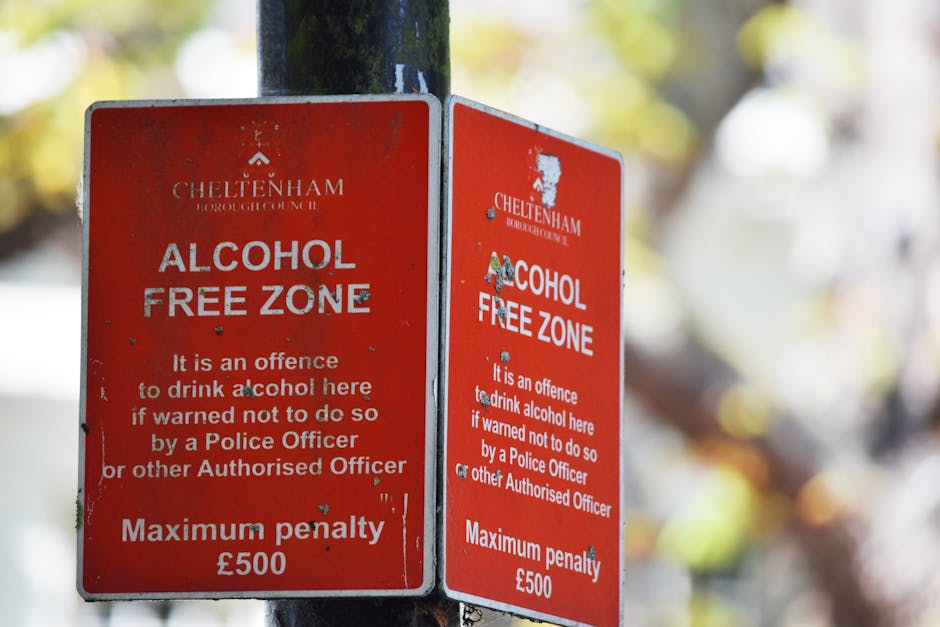
Parking suspensions, loading rules, and penalty enforcement are governed by local restrictions and general traffic regulations. The exact details depend on the street, the type of restriction, and the times shown on the signage. For that reason, the safest best practice is simple: check the signage, understand the restriction, and do not assume that a quiet street means unrestricted stopping.
For moving companies and customers alike, a good standard of practice is to treat parking as part of the move risk assessment. That means considering:
- vehicle size
- street width
- access distance
- timing of the move
- possible suspension notices
- safe manual handling around traffic
This links directly to broader transport safety and manual handling responsibilities. If a van has to park awkwardly, the risk of injury goes up. That is why sensible movers also think about methods, lifting technique, and crew coordination. In that sense, parking compliance is not just about avoiding fines. It is about moving safely and responsibly.
It is also worth noting that local rules can change. So even if a street has always been fine in the past, that does not guarantee it will be fine this time. Re-checking is not paranoia; it is normal good practice.
Options, Methods, or Comparison Table
Different parking approaches suit different moves. Here is a simple comparison to help you decide what fits best.
| Approach | Best for | Pros | Watch-outs |
|---|---|---|---|
| Informal roadside stopping | Very short, low-volume moves | Quick and simple | Higher risk of restriction issues if signage is missed |
| Planned loading near the property | Most house and flat moves | Efficient, safer lifting, less walking | Needs early checking and timing |
| Use of a suspension or reserved space | Busy streets or restricted access | Clearer access and better control | Requires more planning and possible council involvement |
| Remote parking with extra carry distance | When close access is impossible | Sometimes the only legal option | Slower, more tiring, more lifting risk |
In real life, the best choice depends on the street and the contents of the property. A small student move can probably absorb a little walking. A three-bedroom family move with awkward furniture? Not so much. If you are in that second camp, house removals in Penge tend to benefit from more deliberate parking planning.
Case Study or Real-World Example
Picture a typical SE20 flat move on a Saturday morning. The tenants have packed most items, but there is a sofa, a bed frame, and several heavy boxes still to go. The removal van arrives just as the street starts to fill with local traffic. There is a bay outside the building, but a temporary restriction notice has been posted nearby for access works.
Because the parking was checked early, the van does not stop in the wrong place. Instead, it waits a short distance away where loading is permitted. That means the crew can still complete the job safely, even if they need an extra few minutes to carry the larger pieces. It is not glamorous. It is not exciting. But it works.
Now imagine the opposite. No one checks the bay. The van stops where it should not. A penalty notice appears. The crew then has to move the vehicle, find a lawful space, and start again. The move becomes rushed, the mood drops, and the whole day feels more expensive than it should have been. A tiny planning gap, big consequence. Annoying, but very common.
That is why people often say the easiest move is the one that was planned before the boxes were even sealed.
Practical Checklist
Use this checklist the day before and the morning of your move.
- Confirm the exact moving address and access points.
- Check for suspended bays, yellow lines, and loading restrictions.
- Make sure the vehicle size matches the available stopping space.
- Tell all helpers where to park or unload.
- Keep keys, documents, and essentials separate.
- Label heavy and fragile items clearly.
- Plan for a short delay buffer.
- Review whether any items need storage or special handling.
- Have a fallback plan if the first stopping point is unavailable.
- Keep communication simple and one person in charge.
If your move also involves clearing rooms, sorting furniture, or handling bulky items, it can help to review practical packing and decluttering advice too. A calmer home before move day usually means less frantic parking pressure on the day itself.
A very small bit of organisation goes a long way here. Honestly, sometimes it is the difference between a smooth morning and a day full of "we'll just shift the van again".
Get a free quote today and see how much you can save.
Conclusion
Bromley Council Parking Suspensions & Fines for SE20 Moves may sound like a narrow topic, but in practice it touches almost every part of a successful move. Good parking decisions reduce stress, protect furniture, save time, and lower the risk of unnecessary costs. They also make the job safer for everyone involved, which matters more than people sometimes realise.
If you are moving in Penge or anywhere in SE20, the best approach is simple: check access early, think about the van's stopping point, and plan for the restrictions that can trip people up. A move does not need to be perfect. It just needs to be well thought through. And that is absolutely doable.
Move day can be noisy, rushed, and a little messy, but with the right parking plan, it does not have to be a battle. One solid decision at the kerb can make the rest of the day feel much lighter.